
Best 3-Day NCLEX® Review 2026
An Educator’s Guide
Compare 3-day NCLEX® review options by what matters to your program: current NCLEX alignment, student engagement, flexible delivery, and the faculty lift required to make it happen.
See how UWorld brings those priorities together in one structured, expert-led NCLEX review experience.

Final NCLEX review often lands at one of the busiest points in the semester, when faculty are already balancing grading, advising, clinicals, and remediation.
Programs looking for the best three-day NCLEX review are also weighing NCLEX alignment, student engagement, scheduling, and how much support the provider actually assumes. The best NCLEX live review for one program may not be the best fit for another, with options differing in structure, instruction, student resources, and faculty workload.
This guide compares the leading approaches so you can see where each may fit within your existing NCLEX readiness strategy.
NCLEX® Review Comparison at a Glance
| Provider | Cohort Approach | Instructional Approach | Review Structure & Pacing | Delivery Options & Materials |
|---|---|---|---|---|
| UWorld | Consistent, comprehensive review structure across the cohort | Question-first, exam-format instruction leading into detailed explanations | 3 days; 18 hours across 24 focused, 45-minute modules for concept-based & traditional programs | Live In-Person, Live Online, or On-Demand with printed student booklet |
| Archer | Student review available through direct enrollment or institutional bulk purchase | Gamified NCLEX instruction centered on polling and prize-based participation | 3 days; full-day review sessions | Live Online with digital eBook |
| Hurst | Review offered to students through individual enrollment or curriculum integration | Core content lectures paired with testing strategies | 2- or 3-day review with full-day core content instruction | Live In-Person, NStream (Live Virtual), or On-Demand with printed student workbook |
| ATI | Standard live review or separate assessment-informed review | Content instruction paired with critical-thinking and test-taking strategies | 2- or 3-day review organized around content areas | In-Person or Remote Online; print or digital NCLEX review book included (depends on format) |
| HESI | Assessment-informed cohort review, based on performance indicators | Conceptual, discussion-driven instruction across NCLEX content areas | Duration and module timing not specified | Virtual or On-Campus Live Review; self-paced with faculty portal support |
What to Look for in a High-Quality 3-Day NCLEX Review
Most nursing programs are already weighing the same essentials when deciphering the NCLEX live review that works best for their program: current NCLEX alignment, student engagement, faculty time, scheduling, and how the review fits into the readiness work already underway.
The meaningful differences are in how each product handles those priorities. A strong three-day review should give students focused, usable preparation while making the implementation expectations clear for faculty and program leadership.
Here’s what to look for when planning your readiness strategy:
Current NCLEX Alignment
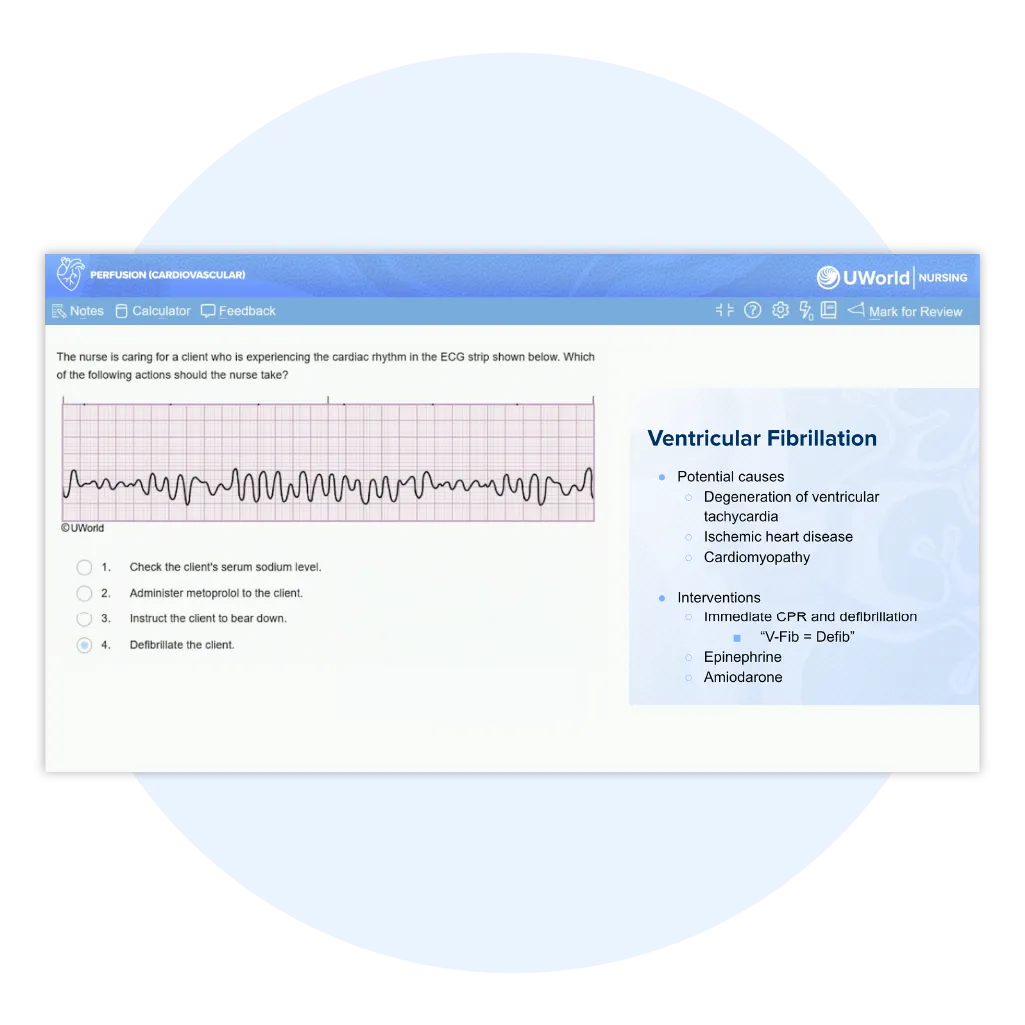
A final review should reflect the exam students are preparing to take, including the current test plan, Client Needs categories, and Next Generation NCLEX (NGN) item formats.
Look for:
- Current Test-Plan Coverage: Reinforces high-priority content within the current RN or PN NCLEX test plan.
- Exam-Format Practice: Gives students repeated exposure to items presented in formats they will encounter on the exam.
- Curricular Compatibility: Reinforces prior learning without requiring programs to restructure traditional or concept-based curricula.
Clinical Judgment Integration
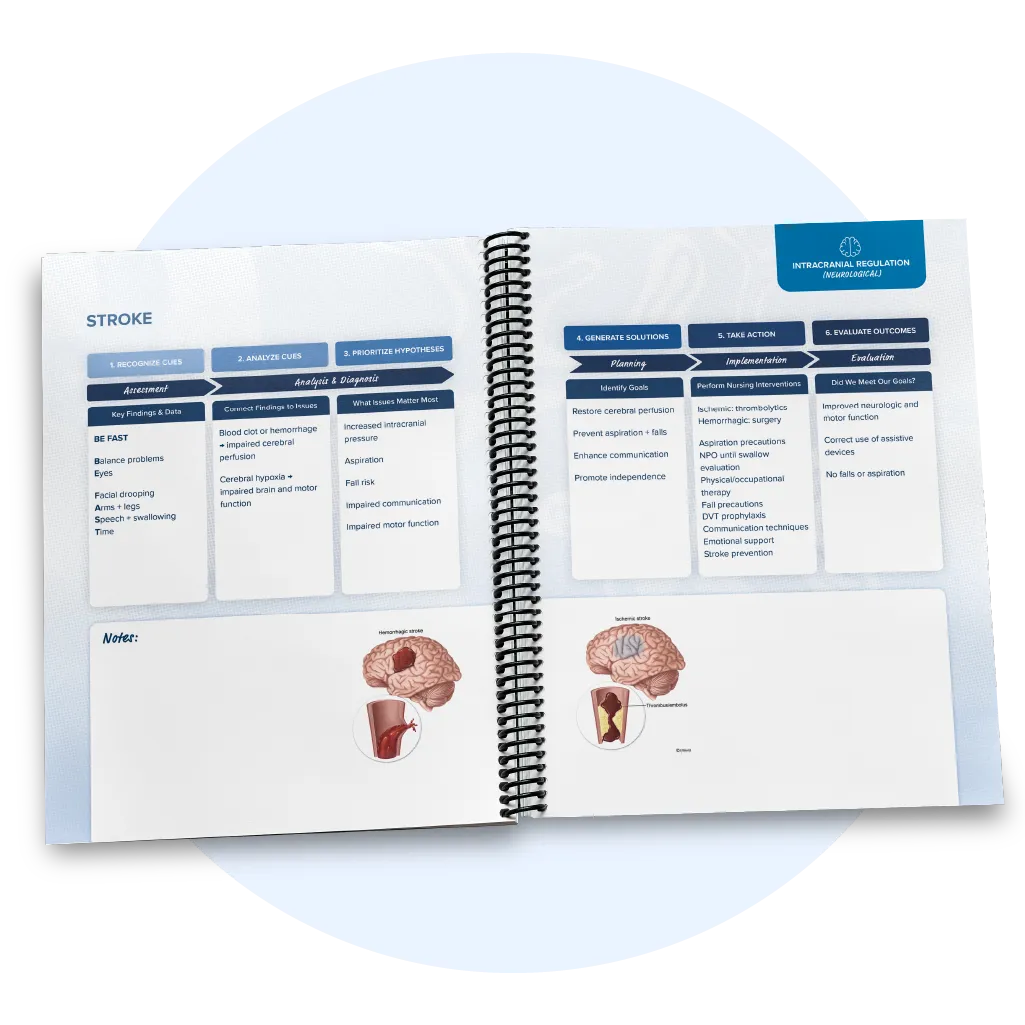
Clinical judgment activities should be integrated throughout the review, not confined to a single NGN lesson or case study. How a review incorporates the CJMM can reveal students’ opportunities to apply reasoning across topics.
Look for:
- CJMM Integration: Connects clinical judgment functions to content and question practice throughout the review experience.
- Applied Clinical Reasoning: Requires students to recognize cues, establish priorities, choose actions, and evaluate outcomes.
- Repeated Application: Gives students opportunities to use clinical judgment across different topics, scenarios, and item formats.
Instructional Design and Student Engagement
Three intensive review days can create fatigue quickly. Structure, pacing, and interaction influence whether students remain actively involved or spend long stretches receiving information passively.
Look for:
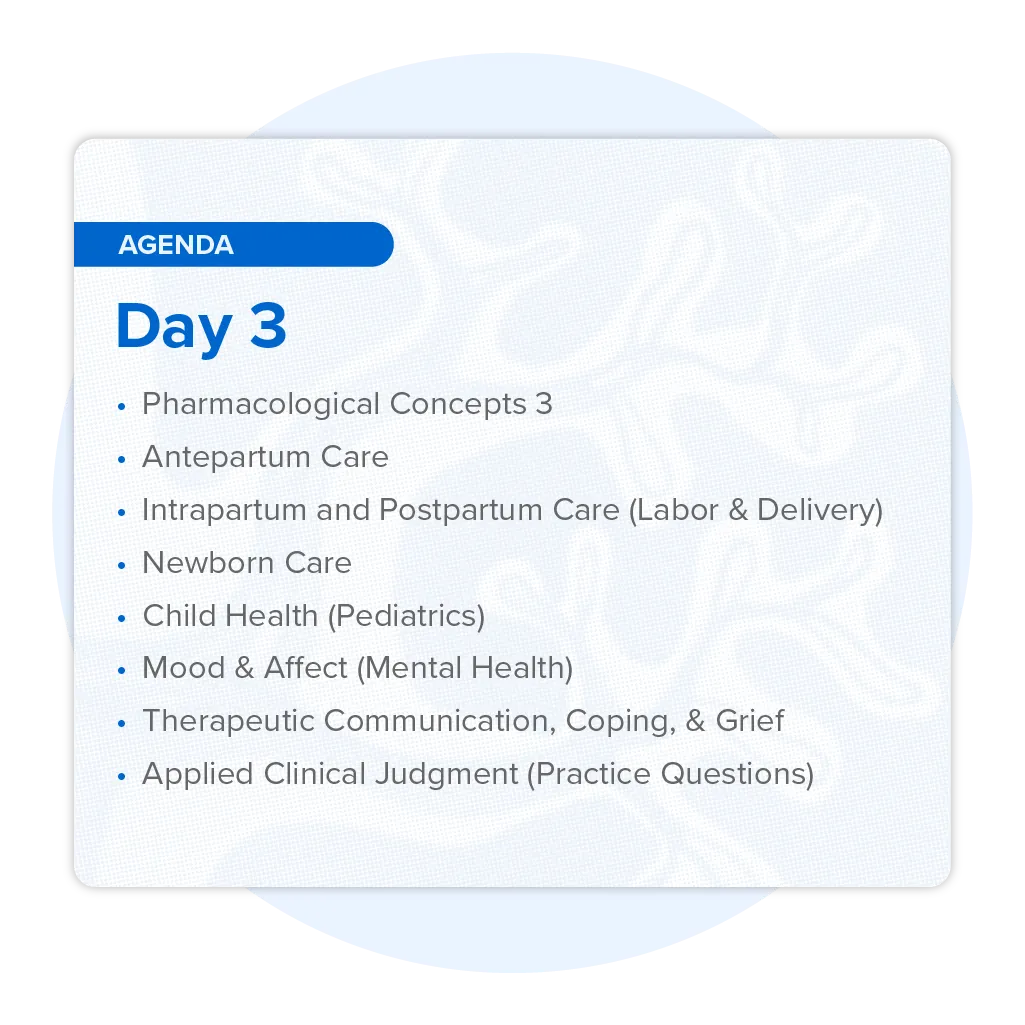
- Manageable Pacing: Breaks the review into focused instructional segments that help limit fatigue across long review days.
- Active Participation: Uses practice items, discussion, polling, cases, or debriefs to keep students involved throughout instruction.
- Supportive Review Environment: Gives students space to ask questions, work through uncertainty, and build confidence before testing.

Faculty Lift and Implementation
An outside review can still create substantial work for faculty depending on how responsibilities are divided. Consider how much planning, preparation, and instructional delivery the provider actually assumes.
Look for:
- Prebuilt Review Structure: Provides the topics, sequence, pacing, and instructional plan before the review begins.
- Prepared Instructional Materials: Supplies the practice items, explanations, teaching points, and student resources needed for delivery.
- Defined Faculty Role: Makes clear what the provider handles and what implementation responsibilities remain with the program.
Delivery Fit
Even a strong review has to fit around clinical rotations, finals, graduation activities, multiple campuses, and student availability. Delivery options can determine how practical the review is for a specific cohort.
Look for:
- Flexible Delivery Formats: Offers options that accommodate campus, virtual, or self-paced participation when programs need them.
- Scheduling Compatibility: Fits around clinical rotations, end-of-term responsibilities, and other demands on graduating students.
- Cohort Accessibility: Gives programs a practical way to deliver a consistent review experience across the cohort.


Fit Within Your Existing Readiness Strategy
A three-day review should complement existing curriculum, assessment, remediation, and NCLEX preparation. The strongest fit reinforces a cohesive program-wide approach while giving the graduating cohort a structured final intervention.
Look for:
- Cohesive Review Structure: Gives the cohort a consistent experience that reinforces previously taught nursing content.
- Clear Strategic Role: Fits alongside existing assessment, remediation, and practice without duplicating the broader readiness plan.
- Program-Level Visibility: Creates a structured, aligned, student-centered intervention that can be documented for program evaluation and accreditation review.
83% of surveyed students at Eastern Shore Community College agreed that UWorld’s Live Online Review helped them connect clinical judgment to NCLEX topics*
*Based on UWorld’s post-review survey of students at Eastern Shore Community College.
Choosing the Best 3-Day NCLEX Review For Your Program
Three-day NCLEX reviews are not all built around the same approach. Some use assessment data to focus the review around cohort needs, while others emphasize core-content reinforcement, an intensive live experience, or one consistent instructional structure across the graduating class.
Assessment-Informed vs. Comprehensive Cohort Review
Some reviews use cohort-level assessment results to determine where additional support is needed, while others provide the same broad review across graduating classes. Assessment-informed review can focus attention on identified gaps, but cohort-level results may not reflect every student’s individual needs. Comprehensive coverage gives all students another opportunity to revisit key content, including areas that may not have surfaced as cohort-wide weaknesses.
ATI’s Customized Live NCLEX® Review can use class performance on the Comprehensive Predictor®, while HESI Live Review can be customized using aggregate HESI results to emphasize identified areas of need. UWorld takes a different approach, using one defined 24-module curriculum across its review formats so every student receives the same structured final review.
The distinction comes down to whether your program wants to:
- Use assessment results to concentrate review around identified cohort needs
- Ensure every student revisits key content across the review
- Provide broader reinforcement beyond the areas identified by cohort-level data
Content-First vs. Question-Led Instruction
Review models also differ in where instruction begins. Some reinforce core nursing content before moving into testing strategy and practice, while others use exam-format items as the starting point for teaching and review.
Hurst describes its approach as beginning with Core Content before moving into NCLEX-specific strategies and practice. UWorld begins with exam-format items, then uses answer explanations and teaching points to reinforce the nursing content behind the decision.
The distinction comes down to whether your program wants to:
- Begin with core content reinforcement before students apply it to practice items
- Begin with exam-format items before students receive a content refresher
- Emphasize exam-style practice to increase exposure and confidence
Test-Taking Strategy Emphasis vs. Comprehensive Review
NCLEX reviews also differ in how test-taking strategies are incorporated into instruction. Some dedicate portions of the review to specific techniques, while others reinforce strategies as students work through nursing content and exam-format questions.
Archer’s 3-Day Live Review includes scheduled instruction on prioritization and test anxiety. UWorld integrates test-taking strategies throughout its 24 question-led modules through answer explanations and instructor debriefs, with an additional dedicated strategy session on Day 3.
The distinction comes down to whether your program wants to:
- Dedicate scheduled instruction to specific test-taking techniques
- Reinforce strategies as students apply nursing content to exam-format questions
- Combine ongoing strategy application with a dedicated strategy session
Intensive Full-Day vs. Modular Pacing
Three-day reviews also differ in how instructional time is organized. Some concentrate instruction and interaction across full review days, while others divide the experience into shorter, repeatable modules.
Archer combines instructor-led content with practice items, case studies, polling, and other interactive activities throughout intensive live review days. UWorld also incorporates real-time Q&A, group practice, and instructor-led debriefing, but structures the review around 24 focused, 45-minute modules.
The distinction comes down to whether your program wants to:
- Structure review around concentrated, full-day instruction and interaction
- Break intensive review time into shorter, defined instructional modules
- Balance sustained live participation with a more segmented review cadence
Extended Prep Package vs. Defined Final Intervention
Some review models extend the three-day experience through additional assessments, question practice, study planning, or continued review resources. Others position the live review as a more defined final intervention that works alongside the readiness tools a program already has in place.
ATI, Hurst, and Archer each connect their live review to additional preparation resources in different ways, including post-review assessments, QBank practice, readiness exams, or continued study support.
UWorld’s 3-Day NCLEX® Review is a structured final component within a broader readiness strategy, designed to complement existing curriculum, assessment, remediation, and ongoing practice.
The distinction comes down to whether your program wants to:
- Extend the review through a broader package of continued preparation resources
- Add a defined final intervention alongside readiness tools already in place
- Consolidate more NCLEX preparation within one package or preserve
“I feel utilizing the Live Review this year made a huge difference! I think it was very beneficial, well organized, and overall I was very impressed!”
— Susan Greer, Eastern Shore Community College
What Sets UWorld’s 3-Day NCLEX Review Apart
UWorld’s 3-Day NCLEX® Review brings a structured final-review curriculum, exam-format practice, clinical judgment application, and educator-led instruction into one 18-hour experience. Rather than asking faculty to build the review around separate resources, the sequence, pacing, practice items, teaching points, and instructional delivery are already established.
Students work through high-priority nursing content in 24 focused, 45-minute modules. Each topic begins with exam-format items, with answer explanations leading into instruction and clinical judgment incorporated throughout the review.
Here’s what the review includes:
- 24 Focused Modules: Eighteen hours of review divided into 45-minute topics to create a consistent instructional cadence across the three days.
- Question-Led Instruction: Exam-format items introduce each topic, with explanations and teaching points reinforcing the nursing content behind each decision.
- Integrated Clinical Judgment: Clinical judgment application is incorporated throughout the review rather than confined to a single NGN-focused lesson.
- UWorld Nurse Educators: Experienced nurse educators lead instruction, explain answers, and guide question review and debriefing.
- Three Delivery Formats: Programs can choose Live In-Person, Live Online, or On-Demand while maintaining the same structured review curriculum.
- Prebuilt Review Experience: UWorld provides the sequence, pacing, practice items, explanations, teaching points, and instructional delivery, reducing the review planning required from faculty.

Frequently Asked Questions (FAQs)
- The best three-day NCLEX review should combine current exam alignment, clinical judgment practice, an instructional structure students can stay engaged with, flexible delivery, and clearly defined faculty responsibilities. UWorld’s 3-Day NCLEX Review brings those priorities into one 18-hour experience with 24 focused modules, question-led instruction, UWorld nurse educators, and Live In-Person, Live Online, or On-Demand delivery.
- Start with how each review is structured. Compare how instruction begins, how the three days are paced, how students practice, how clinical judgment and test-taking strategies are incorporated, what delivery options are available, and how much planning and instructional delivery the provider assumes. Those differences show what the review experience will actually look like for students and faculty.
- UWorld’s review includes 18 hours of instruction across 24 focused modules, more than 200 unique NCLEX-style questions, and a student workbook. Master’s- and doctoral-prepared nurse educators lead the instruction, with questions, explanations, teaching points, and test-taking strategies incorporated throughout the review.
- Each topic begins with a question. The nurse educator then works through the rationale, explains the underlying content and reasoning, and answers student questions before students continue through the module. Each module ends with additional question practice, while the workbook gives students a place to reinforce key content as they progress.
- The review includes more than 200 unique NCLEX-style questions presented in exam format. All NGN item types are represented, including case studies and bow-tie items. The questions are created specifically for the 3-Day NCLEX Review rather than recycled from UWorld QBanks, so students who already use UWorld still encounter new material.
- Clinical judgment practice is integrated throughout the review rather than confined to a single NGN lesson or case study. Students repeatedly work through exam-format questions that require them to apply content and clinical reasoning, giving them continued practice with the types of decisions reflected in the Clinical Judgment Measurement Model.
- Yes. Test-taking strategies are incorporated alongside content review so students can practice both what they need to know and how to approach NCLEX-style questions. Rather than separating strategy from application, instructors can reinforce it as students work through questions and rationales.
- The instructional review is already built. UWorld provides the modules, sequence, pacing, exam-format questions, explanations, teaching points, and nurse educators who lead the review. Program logistics vary by delivery format, but faculty do not have to build or teach the 18-hour instructional experience themselves.
- The right format depends on how your program wants students to participate. Live In-Person review creates a shared on-campus experience, while Live Online provides real-time instruction without requiring the cohort to gather in one location. UWorld also offers an On-Demand option for programs that need students to complete the structured review on a more flexible schedule.
- On-Demand modules feature recorded instruction from UWorld nurse educators and are delivered through the UWorld Learning Platform. Students receive 90 days of access, with the start date established during onboarding. There is no minimum student requirement for the On-Demand format.
- A three-day review is designed to serve a specific role within a broader NCLEX readiness strategy rather than replace curriculum, assessment, remediation, or ongoing practice. UWorld’s 3-Day NCLEX® Review provides a structured final review that reinforces prior learning as students move toward graduation and independent NCLEX preparation.
- UWorld’s 3-Day NCLEX Review is designed for BSN, ADN, and LPN/LVN programs. It can support both traditional and concept-based curricula, allowing programs to add a consistent final review without restructuring how their existing courses are organized.